
Solar Battery Storage
Will a Home Battery Keep My Power On During an Outage?
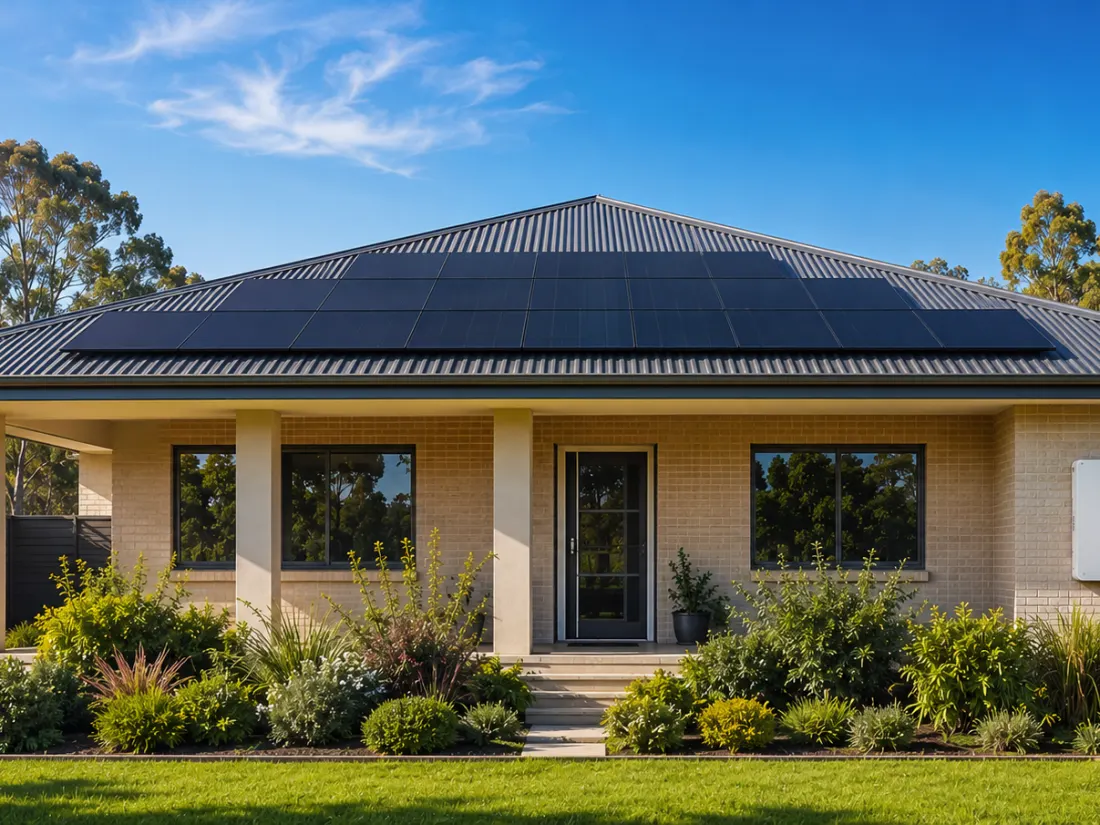
The short answer: a home battery can keep selected circuits running during a power outage, but only if the system is installed with backup capability. How long it lasts depends on the battery size and what you run. Solar Vibe will confirm what your system can and can't power before you decide.
Blackouts are one of the main reasons NSW homeowners ask about batteries. It's easy to assume a battery on the wall means the lights stay on when the street goes dark. Sometimes that's true, but it depends on how the system is designed and installed. This guide explains how backup works in plain English, so you know what to ask before you buy.
How battery backup works
Most homes with solar are connected to the grid. When the grid goes down, a standard solar system switches itself off. This is a safety rule: it stops your system from sending power into lines that people may be working on. So solar panels on their own won't keep your power on in a blackout.
A battery can, but only when it is set up for backup. A backup-capable system does three things:
- Detects the outage. The inverter notices the grid has gone down.
- Disconnects from the grid. Your home is separated from the street supply so it can run safely on its own.
- Powers your backed-up circuits from the battery. The battery supplies the circuits that were wired for backup.
Depending on the equipment, the switch to battery power can be automatic and almost instant, or there may be a short interruption first. A battery installed without backup will usually stop working during an outage just like the solar panels, even if it's fully charged.
Which circuits are backed up?
In most homes, backup covers selected essential circuits rather than the whole house. These are chosen during the design, and they're wired so the battery can supply them when the grid is down.
Typical essentials people ask for include:
- The fridge and freezer
- Lights in the main living areas
- Wi-Fi and internet equipment
- Phone and laptop charging
- Medical equipment, where this applies
Large loads such as ducted air conditioning, electric ovens and cooktops, hot water systems and pool pumps draw a lot of power. They can drain a battery quickly or exceed what the inverter can supply at once, so they're often left off the backup circuits. If you want any of these covered, tell us early, as it affects the inverter and battery choice.
Backup needs a backup-capable inverter and the right wiring, and it can add to the price. If you want it, we include it in your quote so you see the cost up front.
How long can a 14kWh, 28kWh or 42kWh battery run your home?
There's no single answer, because run time depends on how much power you use during the outage, how charged the battery is when it starts, and whether solar can top it up. We don't promise a number of hours. What we can show you is what typical appliances draw, so you can see why essentials-only backup lasts much longer than running the whole house.
| Appliance | Typical power use | Usually on backup? |
|---|---|---|
| Fridge / freezer | About 100 to 250 watts while running, cycling on and off | Yes |
| LED light | About 5 to 15 watts each | Yes |
| Wi-Fi modem and router | About 10 to 25 watts | Yes |
| Phone or laptop charging | About 5 to 90 watts | Yes |
| Television | About 50 to 200 watts | Often |
| Microwave | About 800 to 1,200 watts while running | Sometimes |
| Electric kettle | About 1,800 to 2,400 watts while running | Sometimes |
| Ducted air conditioning | Several thousand watts | Rarely |
These are typical ranges only. Check the label on your own appliances, and remember that actual run time depends on what you use and for how long. A kWh (kilowatt-hour) is the energy used by a 1,000-watt appliance running for one hour.
Solar Vibe supplies any battery brand and size, including our popular 14kWh, 28kWh and 42kWh packages. A larger battery stores more energy, so it can run the same essentials for longer. For help choosing a size, see our guide: What size solar battery do you need?
What to ask your installer about backup
Before you sign a battery quote, ask these questions and get the answers in writing:
- Does this system include backup? Not every battery install does.
- Which circuits will be backed up? Ask for the list, room by room.
- Is the switchover automatic? And is there a short interruption when the grid drops out?
- Can the solar panels recharge the battery during an outage?
- How much power can the inverter supply at once in backup mode? This decides which appliances can run together.
- Does backup add to the price? And is it listed as a separate item on the quote?
A good installer will answer these plainly. At Solar Vibe, you get clear pricing and no-pressure advice from a local NSW team, and we're a NETCC Approved Seller.
Hybrid systems and battery-ready solar
A hybrid inverter manages the solar panels and the battery together, and many hybrid inverters support backup. If you're installing new solar and think you might want a battery later, a battery-ready or hybrid system makes it easier to add one, with backup, down the track.
If you already have solar, you may be able to add a battery to your existing system. Whether backup is possible depends on your current inverter and wiring. Our guide on how to add a home battery to existing solar in NSW explains what we check first.
Get a free quote with no-pressure advice
Tell us which appliances you'd want running in a blackout. We'll recommend a battery size and backup set-up for your home, explain what it can and can't power, and show any backup cost clearly in your quote. We install across NSW.
Frequently Asked Questions
Will a solar battery keep my power on during a blackout?
It can, but only if the system is installed with backup capability. Backup usually covers selected essential circuits rather than the whole house, and how long it lasts depends on the battery size and what you run. Solar Vibe confirms what your system can and can't power before you decide.
Can I add backup later?
Sometimes. It depends on your inverter and how the battery is wired into your switchboard. Some systems need extra equipment or rewiring to add backup later, so it is usually simpler and cheaper to plan for it when the battery goes in.
Does a battery work if the grid is down and it's cloudy?
A battery with backup can run your backed-up circuits from its stored energy during an outage, day or night. Some backup systems can also recharge from your solar panels while the grid is down, but solar output is lower on cloudy days, so the battery may not refill as much. We confirm how your system behaves in the quote.
Does my solar keep working in a blackout without a battery?
Usually not. A standard grid-connected solar system switches off when the grid goes down, as a safety measure for people working on the power lines. To keep power on during an outage, you need a battery system installed with backup.
Does battery backup cost extra?
It can. Backup needs a backup-capable inverter and the right wiring, and that can add to the price. If you want backup, we include it in your quote so you can see the cost up front.

Keep reading
More solar & battery guides
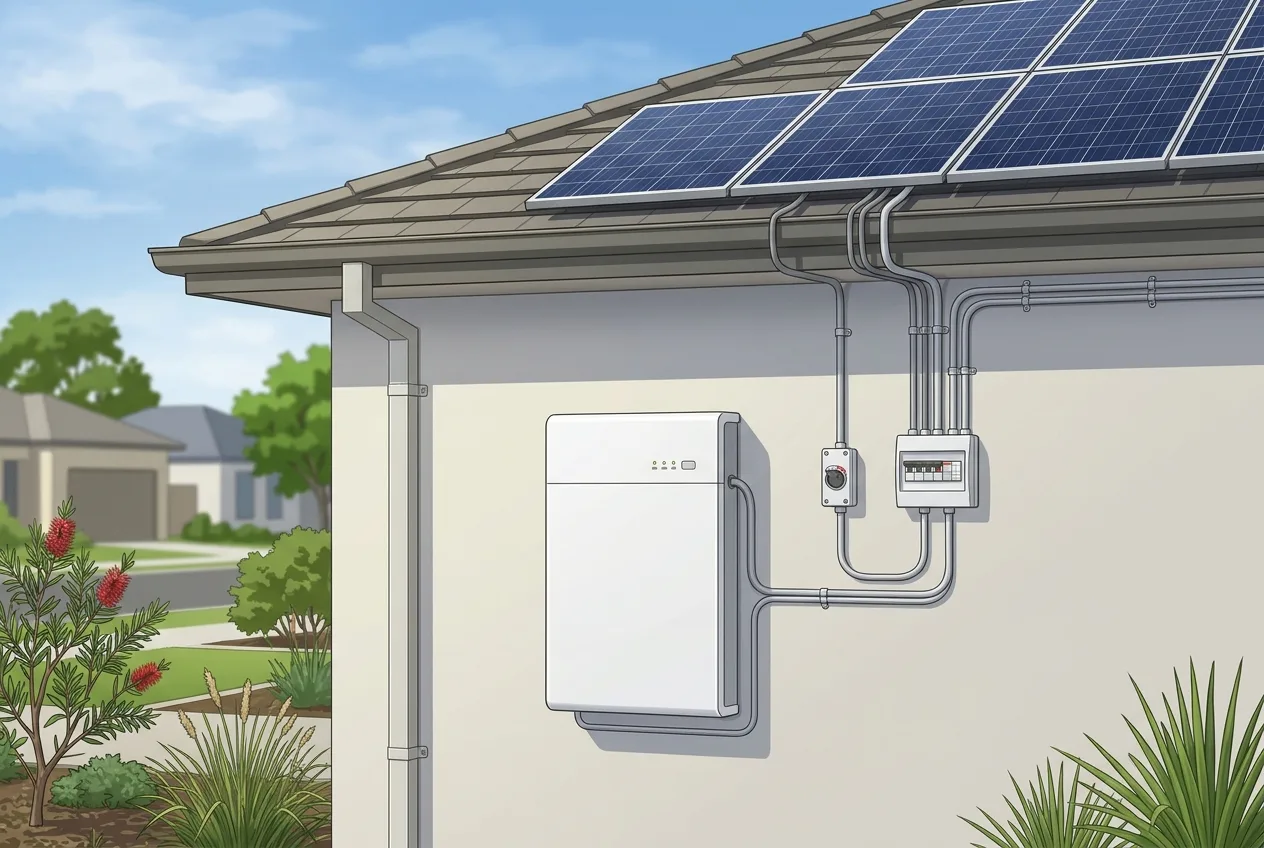
Solar battery storage
How to Add a Home Battery to Existing Solar in NSW
If you already have panels on the roof, you don't have to start again to add a battery.
Government energy initiatives
Solar Sharer Offer: 3 Hours of Free Electricity Every Day
The Solar Sharer Offer gives eligible homes 3 hours of free power a day. Here is how it works, who qualifies, and how a battery makes it go further.
Federal government rebates
Cheaper Home Batteries Program Explained (2026 Update)
A plain-English guide to the federal Cheaper Home Batteries Program, including the 1 May 2026 changes to how the battery discount is calculated.
Ready to cut your power bills?
Get a free, no-obligation quote from a NETCC Approved Seller. We'll recommend the right system for your home, with clear pricing in writing.