
Solar Battery Storage
How to Add a Home Battery to Existing Solar in NSW
There are two key parts to the scheme:
Zero-Interest Loan (Up to $15,000)
Repayable over up to ten years, with 0% interest on the amount you borrow.
Lower-Income Household Discount (Up to $4,000)
In many cases, yes. You can add a home battery to existing solar in NSW, but it depends on your inverter, how the system is wired and when you use power. Solarvibe checks your current system first, then sizes a battery to your household. We supply any brand and size, including our popular 14kWh, 28kWh and 42kWh packages.
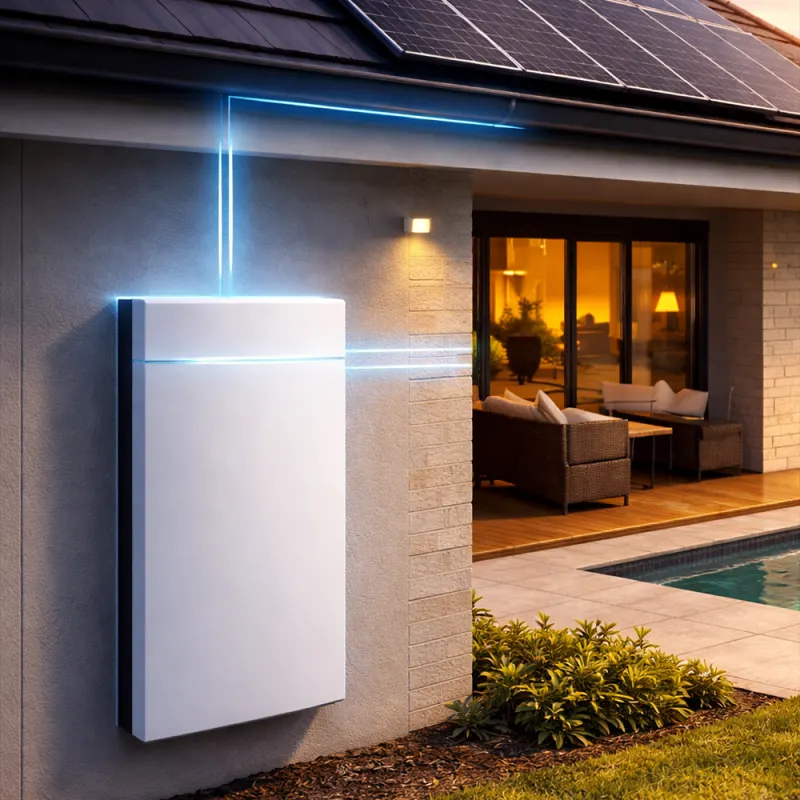
If you already have panels on the roof, you don't have to start again to add a battery. Many NSW homeowners want to add a home battery to existing solar so more of their daytime solar can be used in the evening. Whether it works smoothly comes down to a few technical details. We explain them below in plain English.
At Solarvibe, you get clear pricing and no-pressure advice from a local Australian team.
Can I add a home battery to existing solar?
Often, yes. A battery doesn't have to go in at the same time as the panels. Whether yours suits depends on your inverter, your wiring and your evening power use. Not every existing system can take a battery as it stands, so a check comes first.
The Clean Energy Regulator says a battery can be installed with a new or existing solar PV system under the Cheaper Home Batteries Program. Some systems need a change to the inverter or switchboard first. That's why we look at what you have before we recommend anything.
What decides whether my solar system is battery-ready?
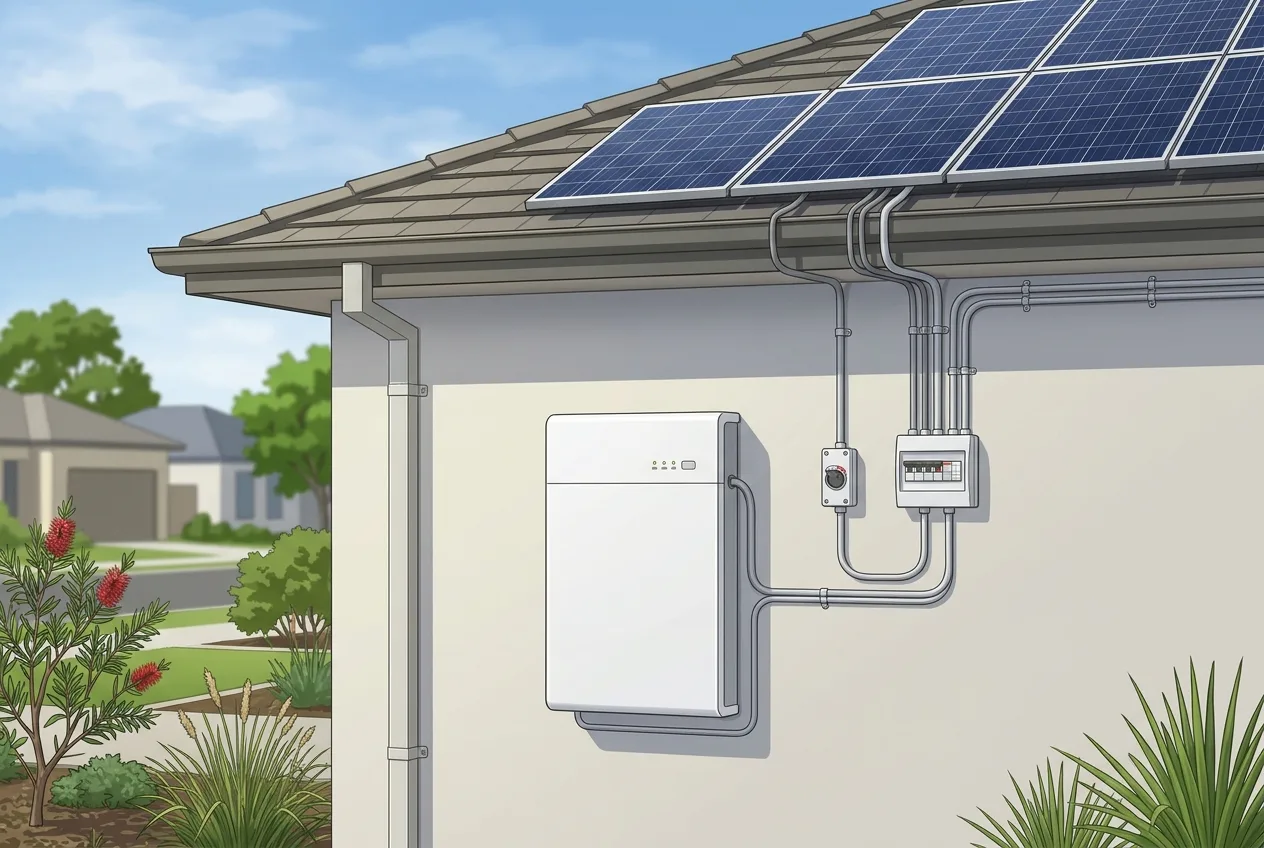
A battery-ready system can connect to a battery without major changes. Three things matter most:
- Your inverter. Its type, age and brand affect how a battery can connect. Some are built for it. Others aren't.
- How the system is wired. Your installer checks how the solar connects to your switchboard and your home.
- Your evening use. A battery earns its place when you use plenty of power after the sun goes down. We look at how your household uses energy across the day.
For new systems, our 13kW solar system uses a 10kW inverter that is battery-ready or hybrid-compatible. Older systems vary a lot.
Do I need a new inverter to add a home battery?
Sometimes. If your current inverter can't work with a battery, there are two broad options. You can add a battery with its own inverter, or you can replace the inverter with a hybrid one. Your installer decides which suits your set-up. It's wise not to buy a battery until this check is done.
If your system isn't battery-ready, a solar system upgrade may be the better route. A new solar and battery package is another option. We'll compare the choices with you, including keeping your current system as it is.
Hybrid, AC-coupled or DC-coupled: what's the difference?
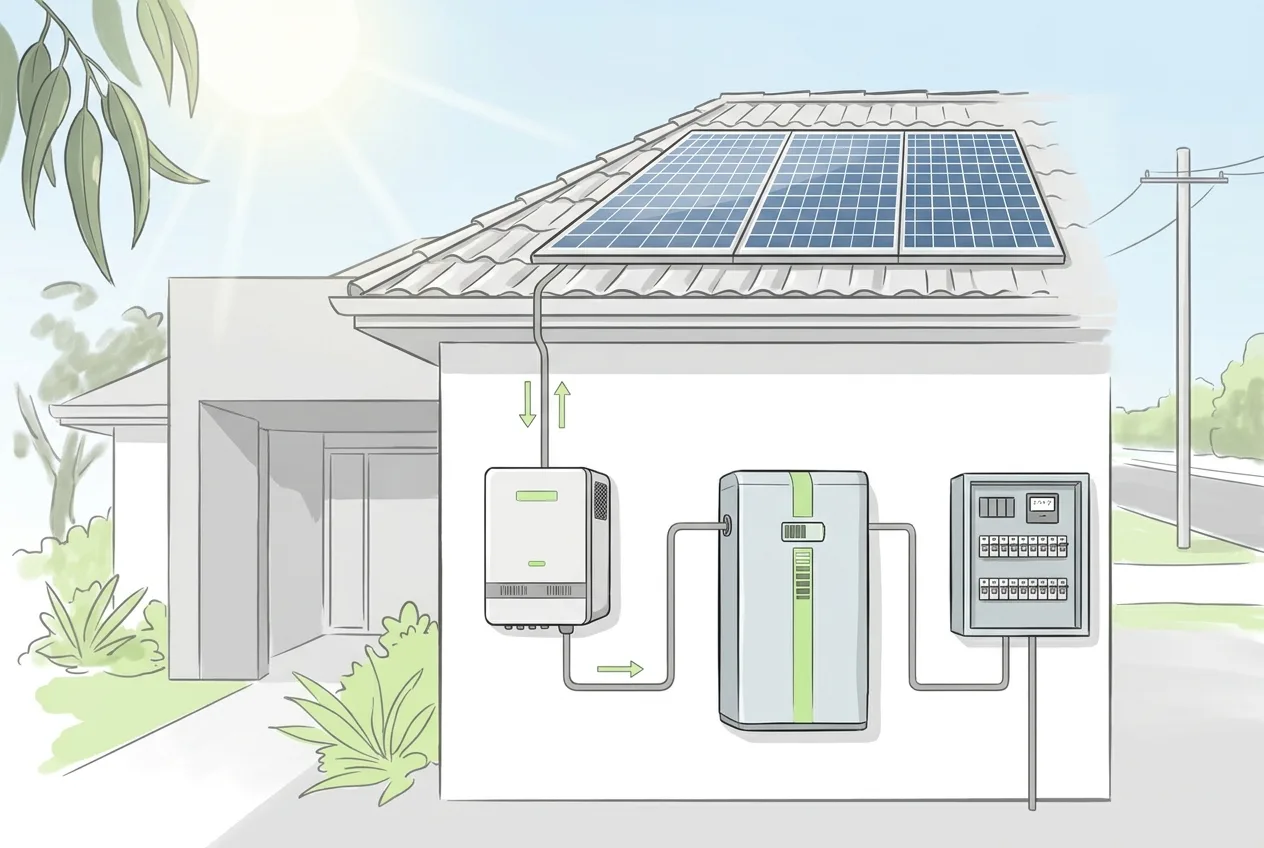
These terms describe how a battery connects to your solar. In general terms, a hybrid inverter manages the panels and battery together. An AC-coupled battery has its own inverter and sits alongside your existing one.
| Set-up | How it works | When it's often used |
|---|---|---|
| Hybrid inverter (DC-coupled) | One inverter manages the panels and the battery together | New systems, or when your inverter is being replaced |
| AC-coupled | The battery has its own inverter and connects to your home's AC wiring alongside your existing inverter | Retrofits where the current inverter stays |
Both can work well. The right one depends on your existing equipment. Our partner brands include Sungrow and Fronius for inverters, and our installer team confirms what suits your home.
What size solar battery do I need for my home?
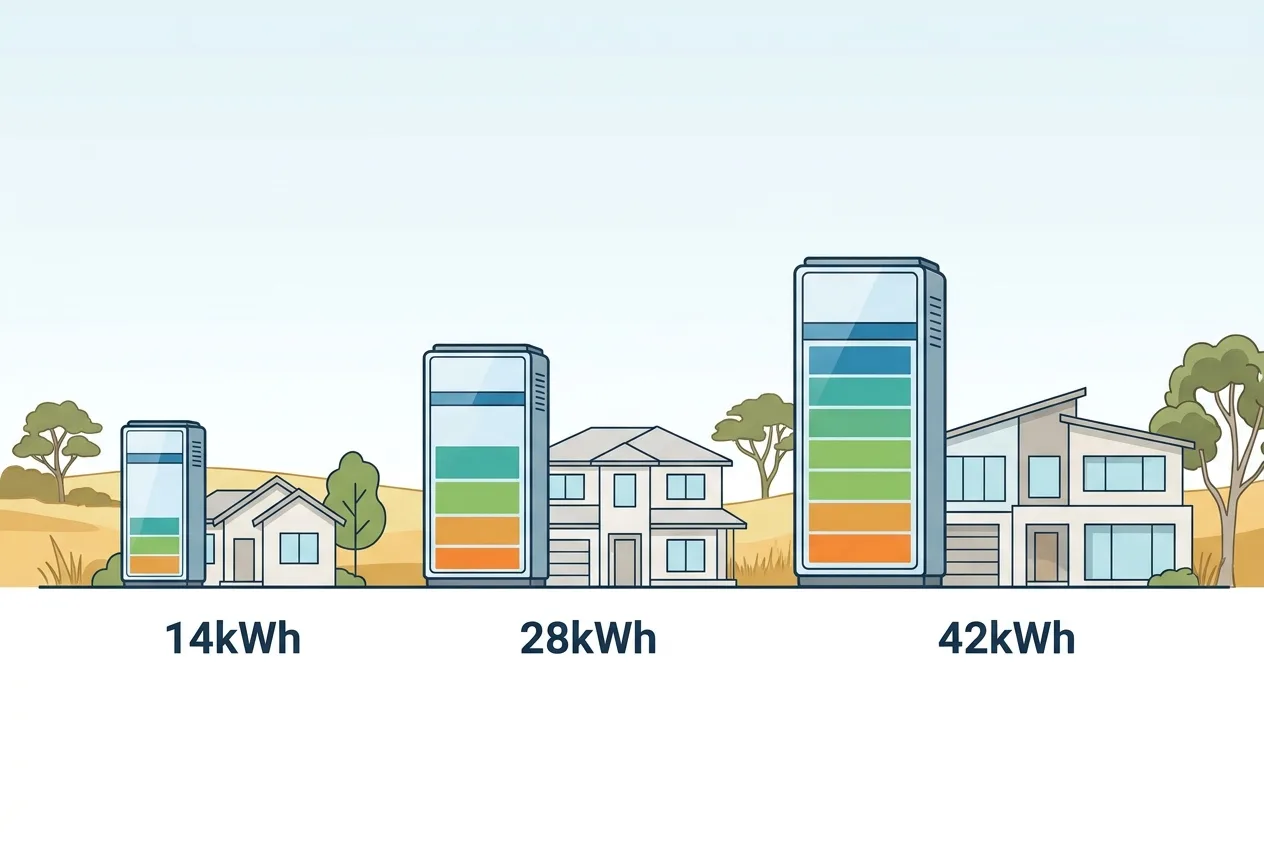
The right size depends on how much power you use each day, and how much of that is in the evening. Solarvibe offers three home battery sizes. Each is matched to a typical household and solar system size.
| Battery | Suits | Pairs with |
|---|---|---|
| 14kWh | A family of three or four using roughly 18 to 25 kWh a day | A 6.6kW to 10kW solar system |
| 28kWh | Homes using roughly 35 to 45 kWh a day | A 10kW or larger solar system |
| 42kWh | Large, all-electric or EV households with high daily usage | A 10kW or larger solar system |
These ranges come from our product pages and are a starting point. A kWh (kilowatt-hour) is the unit your bill uses to measure energy.
Your existing solar size matters too. A 6.6kW Solarvibe system uses 14 to 16 Tier 1 panels and a 5kW inverter. A 10kW system typically produces 40 to 44 kWh a day. If you want a 28kWh or 42kWh battery but have a smaller system, we may suggest a system upgrade so the panels can keep up.
Is a 14kWh battery enough for a family of four?
It can be. Our 14kWh battery suits a family of three or four using roughly 18 to 25 kWh a day. If you also run an EV, a pool pump or a fully electric home, your use may be higher. Then a 28kWh or 42kWh battery may fit better. Your bills will show which side you're on.
Will a solar battery keep my power on during a blackout?
Not automatically. What a battery can power in an outage depends on how it's set up, and it may supply only selected circuits rather than the whole house. We don't promise whole-home backup or energy independence.
If backup matters to you, tell us which appliances you'd want running, such as the fridge, lights or internet. We'll explain what your set-up can and can't do.
What rebates and loans might apply to a battery retrofit?
Rebates change, so treat this as a summary and check the official pages. As of November 2026, the NSW Government says its battery installation discount is no longer available. The Australian Government's Cheaper Home Batteries Program applies instead. For the full breakdown, see our Cheaper Home Batteries Program article.
The Clean Energy Regulator sets the program rules. For a retrofit, three points stand out. The battery must be new and on the Clean Energy Council approved battery list. It must be installed by a Solar Accreditation Australia (SAA) accredited installer with a battery endorsement. Only one battery per premises can claim certificates.
Whether you're eligible, and how much you'd get, depends on your situation. Your quote will show what applies to you after rebates.
NSW also has a virtual power plant (VPP) incentive. With a VPP, a provider can draw on your battery to support the grid. You must sign a nomination form with your chosen provider first. The NSW Government says it can be combined with the Australian Government's battery discount.
How does the Home Energy Saver interest-free loan work?
Solarvibe is an approved supplier under the NSW Government's Home Energy Saver program, which offers an interest-free loan to eligible households. The household income eligibility limit changes on 10 November 2026. Check the official page for the current rules before you apply. We can walk you through it.
What does a battery retrofit quote include?
Our quotes come with clear pricing and no-pressure advice. We check your existing system first, then quote for the battery and any work it needs.
Installing the 42kWh battery outside metro Sydney incurs additional charges. We'll show those on your quote.
To make your quote faster, have a recent power bill handy. It also helps to know your inverter's make and model.
How long does installation take, and what happens at handover?
The time depends on your set-up, and on whether the inverter or switchboard needs work.
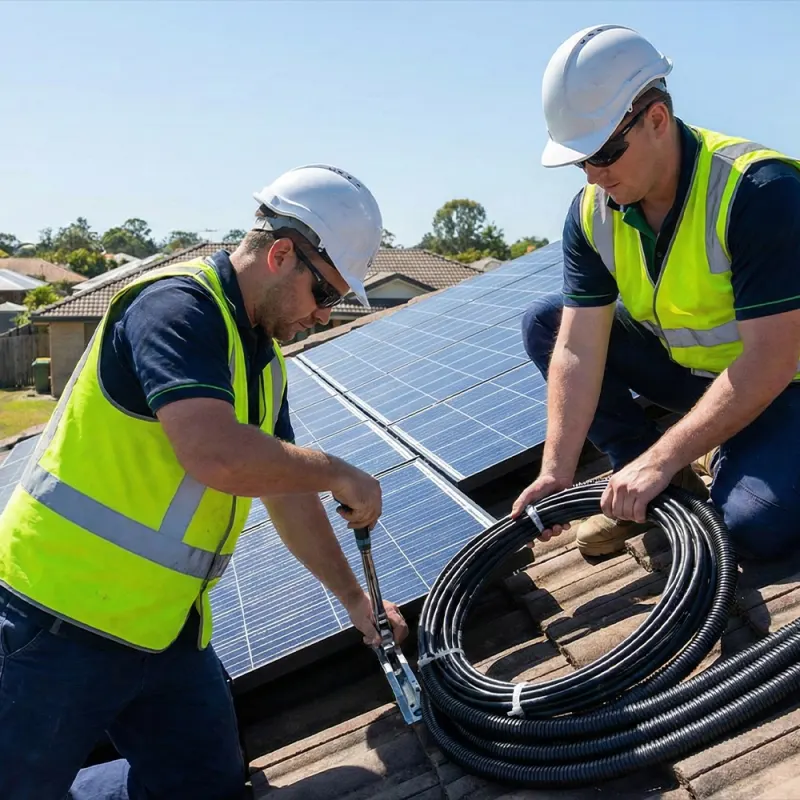
Our local Australian team does the installation, and our installers are SAA accredited. We aim for a tidy, professional job.
What warranty comes with the home battery?
Solarvibe gives a 10-year warranty on its home battery systems. Our 42kWh battery also has an IP66 waterproof rating and 98.6% storage efficiency. Ask us for the warranty terms in writing.
Where do we install?
We install across NSW. Our office is in Greystanes, and we're a NETCC Approved Seller.
Ready to add a home battery to your solar?
Tell us about your current system and your evening power use. We'll check what you have and recommend a battery brand and size that suits your home. If your system needs an upgrade first, we'll say so.
Frequently Asked Questions
How do I get a free quote?
Use the Get a free quote button and tell us about your current solar system. We'll check it first, then give you clear pricing with no pressure.
Do you install in Sydney and across NSW?
Yes, we install across NSW. Installing the 42kWh battery outside metro Sydney incurs additional charges, which we'll show on your quote.
Can I add a battery if my solar is quite old?
Sometimes, but it depends on your inverter and wiring. We check your system first, and we'll tell you if an upgrade or a solar and battery package makes more sense.
Which battery sizes can I choose from?
How long is the home battery warranty?
Solarvibe gives a 10-year warranty on its home battery systems.
Will a battery power my whole house in an outage?
Not necessarily. What it can power depends on how it's set up, and we'll explain the options for your home.

Keep reading
More solar & battery guides

Solar battery storage
Will a Home Battery Keep My Power On During an Outage?
A home battery can keep selected circuits running in a blackout, but only if it is installed with backup. Here is how backup works and what it will power.
Government energy initiatives
Solar Sharer Offer: 3 Hours of Free Electricity Every Day
The Solar Sharer Offer gives eligible homes 3 hours of free power a day. Here is how it works, who qualifies, and how a battery makes it go further.
Federal government rebates
Cheaper Home Batteries Program Explained (2026 Update)
A plain-English guide to the federal Cheaper Home Batteries Program, including the 1 May 2026 changes to how the battery discount is calculated.
Ready to cut your power bills?
Get a free, no-obligation quote from a NETCC Approved Seller. We'll recommend the right system for your home, with clear pricing in writing.